
Hospitals Are Rapidly Switching to Smart Square in 2026 – Here’s Why
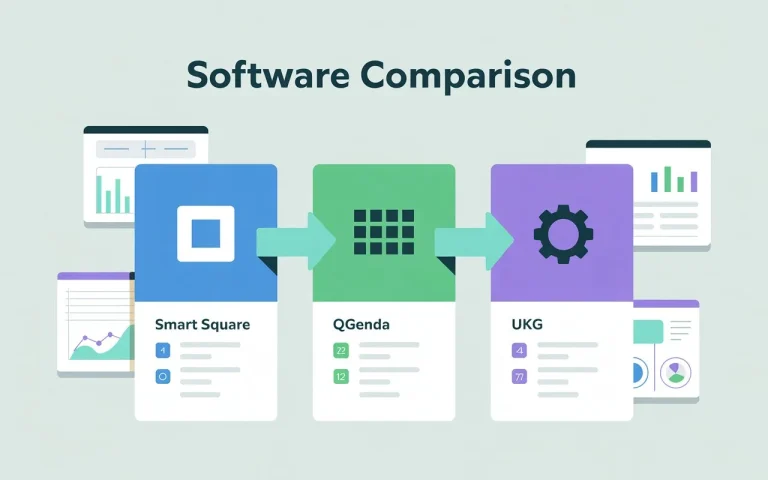
Hospitals across the healthcare industry are rapidly shifting to Smart Square in 2026—and the reasons might surprise you.
In 2026, a quiet but powerful shift is happening inside hospitals—and most patients have no idea it’s even taking place.
Across the healthcare industry, administrators are moving away from outdated scheduling methods and rapidly adopting smarter workforce management systems like Smart Square. What once relied on spreadsheets, manual coordination, and last-minute calls is now being replaced by intelligent, automated scheduling platforms.
But why now?
The Pressure on Healthcare Systems Has Reached a Breaking Point
Hospitals today are under more pressure than ever before. Staff shortages, burnout, and rising patient demand have forced healthcare organizations to rethink how they manage their workforce.
Traditional scheduling systems simply can’t keep up anymore. They:
- Create frequent staffing gaps
- Lead to overworked employees
- Increase the risk of human error
This is where Smart Square is stepping in—and making a noticeable difference.
What Makes Smart Square Different?
Unlike basic scheduling tools, Smart Square uses predictive data and real-time insights to optimize staffing decisions.
Instead of reacting to problems, hospitals can now:
- Forecast staffing needs in advance
- Adjust schedules dynamically
- Ensure the right staff is available at the right time
This shift from reactive to proactive scheduling is one of the biggest reasons behind its rapid adoption.
Data-Driven Scheduling Is Changing Everything
One of the biggest advantages hospitals are seeing is data-driven decision-making.
With Smart Square:
- Staffing patterns are analyzed automatically
- Peak hours are predicted more accurately
- Resource allocation becomes more efficient
This not only improves hospital operations but also directly impacts patient care.
Healthcare Workers Are Feeling the Impact
The change isn’t just happening at the management level—staff are noticing it too.
Many healthcare workers report:
- Better work-life balance
- Fewer unexpected shift changes
- More predictable schedules
In an industry where burnout is a serious issue, this is a major improvement.
A Shift Away from Outdated Systems
Hospitals that once relied on manual scheduling or older software are now finding those systems too slow and inefficient.
In 2026, the trend is clear:
- Automation is no longer optional
- Real-time updates are essential
- Flexibility is critical
Smart Square fits perfectly into this new reality.
Why This Trend Is Growing So Fast
There are three main reasons behind the rapid adoption:
1. Increased Demand for Efficiency
Hospitals need to do more with fewer resources.
2. Focus on Staff Retention
Better scheduling helps reduce burnout and turnover.
3. Technology Advancement
Modern systems like Smart Square are finally capable of handling complex healthcare environments.
What This Means for the Future of Healthcare
This shift isn’t temporary—it’s the beginning of a long-term transformation.
As more hospitals adopt intelligent scheduling systems, we can expect:
- More streamlined operations
- Improved staff satisfaction
- Better patient outcomes
And while patients may never see these systems directly, they’ll definitely feel the impact through smoother, more efficient care.
Final Thoughts
The rapid adoption of Smart Square in 2026 reflects a bigger change happening across healthcare.
Hospitals are no longer just treating patients—they’re optimizing entire systems.
And in that transformation, smart scheduling is playing a bigger role than ever before.